Why Heal?

Kerrie Hudson • October 8, 2025

Why Heal?


Healing has become a buzzword in the company of words like self-care, peace, and mental health. They’re certainly a bit overused, but are nonetheless vital components of the life we all want to live.


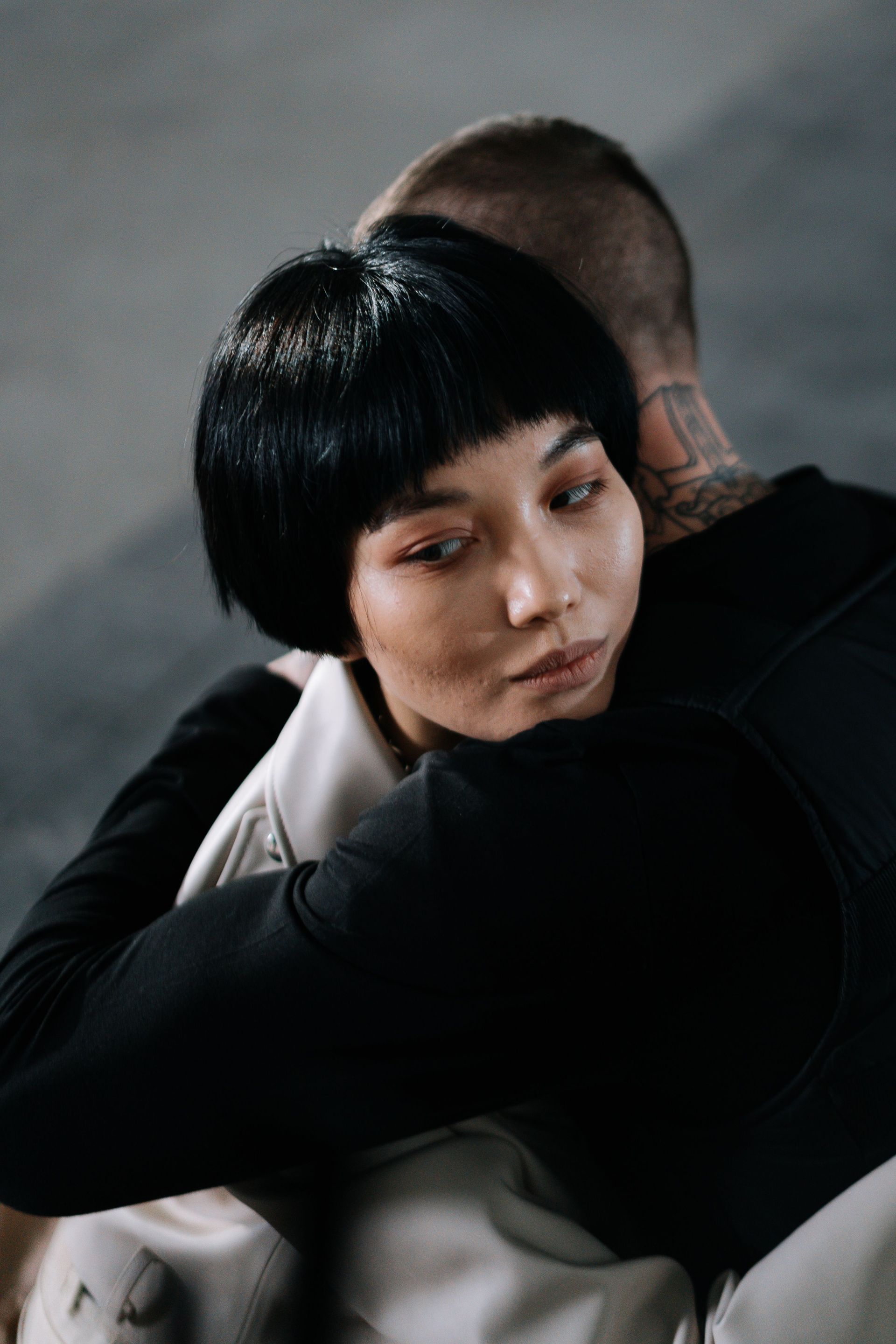
So, what is healing? Healing is wholeness. What makes us “unwhole”? Trauma. Many of us don’t believe that we’ve experienced trauma, and that’s understandable because this type of trauma is so common it doesn’t seem very traumatic. But here we’re talking about what we call “little t” trauma. Some examples are the separation or divorce of parents, emotional neglect (no one to talk to/childhood loneliness), or a parent suffering with mental health challenges (anxiety and depression are most common). When children have experiences like these, they often have parents or caregivers who are unavailable or incapable of providing for their needs, and instead of the parent taking responsibility, the kid blames themselves – that’s the trauma. When you are at fault of anything, you naturally correct or fix yourself; so, when you blame yourself for something you weren’t responsible for you overcorrect and rid yourself of attributes and qualities you actually need.


There’s no way of knowing this process is taking place in childhood, the damage is done. The good news, however, is it’s reversible, and reversing the damage is called healing. There’s also no way to instinctively know what we need to heal until we begin living; life tells us where we need to heal. The easiest way to identify areas where healing is needed is when we want something, especially basic life necessities like love, and we can’t seem to achieve it, we do the same thing we did as kids, we fix ourselves. And when the fixing doesn’t work, we either settle, or we give up. We settle, because we believe the lie that this is the best we can get, and we’d rather have this than nothing, or we quit because we believe the lie that this is the best we can get, and we’d rather have nothing.


There is some truth to the idea it doesn’t get better. The truth is, this is the best you can get if you don’t change, and change comes with healing. This is why you may feel stuck in certain areas of your life. You’ve fixed everything you believe needs fixing, but you haven’t healed.


We can see this very thing play out currently with Cardi B who within the past year has separated from her husband Offset, had a baby, met a new man Stefon, and is currently pregnant again. In her new album she reflects on the events of the past year, and likely before. She’s gotten a new man, new clothes, and upgraded her body, but she hasn’t described any updates on her heart. Same Cardi, different man, same problems; and the same is true for us all. When we invest heavily in the superficial things that we believe will get us what we want (and we will undoubtedly start with the superficial things) yet we fail to do the real heart work, we’re deceiving ourselves.


Why heal? Because it’s necessary to achieve our goals so we can live the life we truly want to live.

By Kerrie Hudson April 21, 2026
You're not missing the signs. You've been taught to override them.
Woman taking a pill
By Kerrie Hudson March 18, 2026
Why leaving a toxic relationship can feel like withdrawal—and how to break the cycle of emotional addiction to unhealthy love.
Woman peacefully journaling
By Kerrie Hudson March 10, 2026
There’s a lot of talk about protecting one’s peace these days, but what does that even mean? And how do you protect your peace? Let’s dig in. Peace is an emotion. In psychology there are five basic emotions that are widely accepted: anger, sadness, fear, disgust, and happiness. Unfortunately, of the five only one would be considered a positive emotion, though I believe all are positive in that they provide you with information. But I digress. Happiness, the more positive of the five is the one emotion you likely welcome with open arms, and when it comes, you want it to stay. You protect it. Peace lives on the spectrum of happiness, and like all other emotions, it is literally a feeling in the body. It feels like serenity; there’s stillness and a calm that comes over you. I’ve had folks identify peace in their bodies as the absence of the feelings they’re accustomed to: tightness in their chest, sweaty palms, stomach discomfort, etc. For many, peace is rarely felt, so when they feel it, or any other emotion for that matter, they fail to recognize the environment that nurtured it; and if you’re going to protect your peace, you’ve got to notice when you feel it and what contributed to it. Understanding peace as an emotion is necessary because the role of your emotions is to provide you with information about your environment. At times, emotions can be so intense and distressing that the focus shifts from the environment that ignited them, to suppressing or extinguishing them. But emotions aren’t the problem, the environment is. Every emotion is important, even those that you’ve identified as negative. They tell you that something in your circumstances or environment needs your attention, and when you ignore your emotions, you ignore the task at hand. Peace is a gift, and not everybody or every environment offers it. When you notice peace in your body, you also need to notice what nurtured it. Are there people who bring peace? Are there places where you feel more at ease? Identifying these sources gives you what you need to take care of yourself by accessing more of it. On the other hand, where do you experience the opposite of peace? Where, and with whom do you find chaos and confusion? If you’re going to protect your peace, these are environments and people who you need to limit contact with. If you’re going to protect your peace, you’ve gotta increase your self-connection by noticing your emotions, and allowing them to tell you what you need to increase your overall well-being. When you fight your emotions, you fight yourself and your best interests. Extended periods of suppressing emotions can lead to depression, anxiety, and other mental health conditions because two things are working against you: you are becoming more disconnected from yourself while existing in environment that don’t serve you. There’s no magic pill that creates more peace and happiness, it’s the consistent work of nurturing self-connection and meeting your needs, because you are the most important person in your world. May you grow exponentially in peace! If this resonated with you, you’re not alone. These are the conversations we continue inside Next Chapter: Notes from The Other Side, my monthly newsletter where I share insights, reflections, and guidance for women breaking toxic patterns and learning how to love themselves differently. Join Next Chapter here